Corpus Studio is an emerging Parisian design, interiors, and architecture studio lead by Konrad Steffensen and Ronan Le Grand. Their design work explores the past, present, and future through poetic contemporary pieces that are serene, considered, radical, elegant, and rigorous.
Konrad Steffensen is from Brisbane, Australia and studied architecture at Queensland University of Technology, Technische Universität Berlin, and Ecole Spéciale d’Architecture de Paris. Ronan Le Grand is from Versailles, France and studied architecture at Paris-Malaquais and Pontifícia Universidade Católica do Rio de Janeiro. Between them, they have lived and worked professionally in Australia, France, Germany, Brazil, and Japan. In 2018, after collaborating on installation artworks and set design projects, Steffensen and Le Grand formed Corpus Studio. In 2022, as an extension of their architectural and interiors practice, they started designing furniture that serves as an iterative medium in their transdisciplinary process.
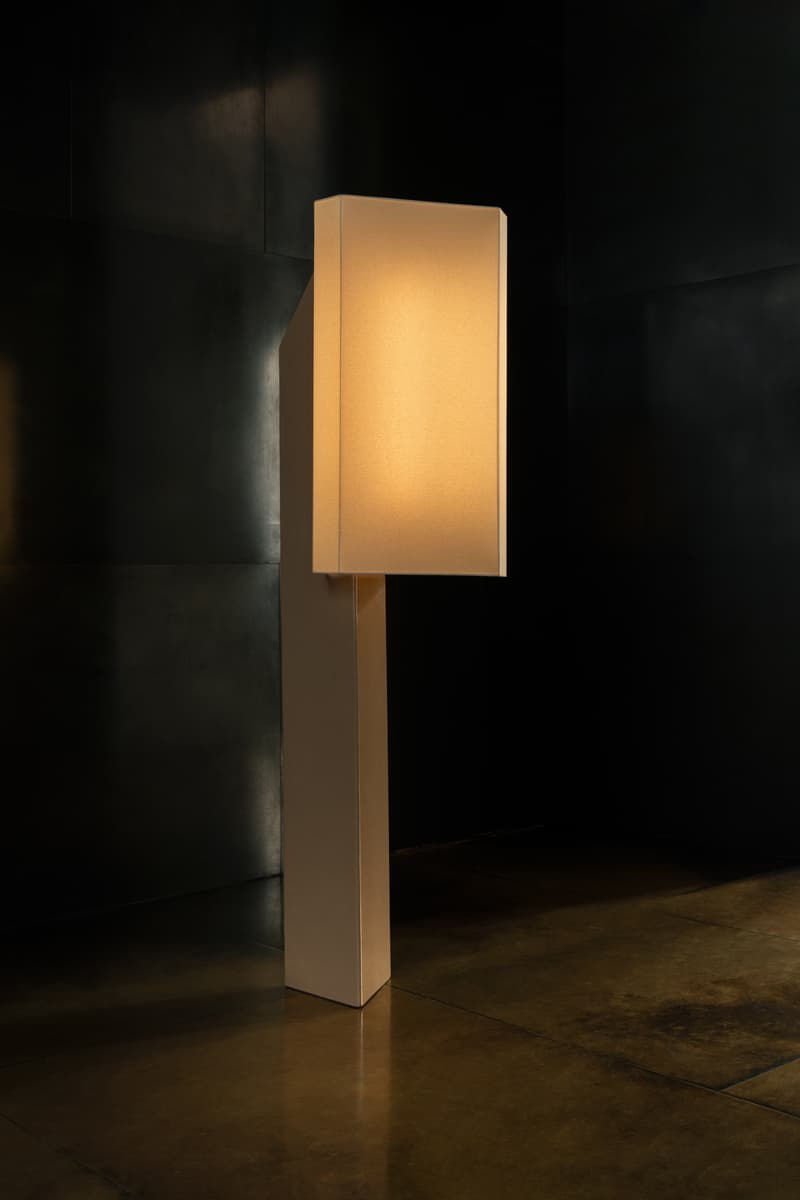
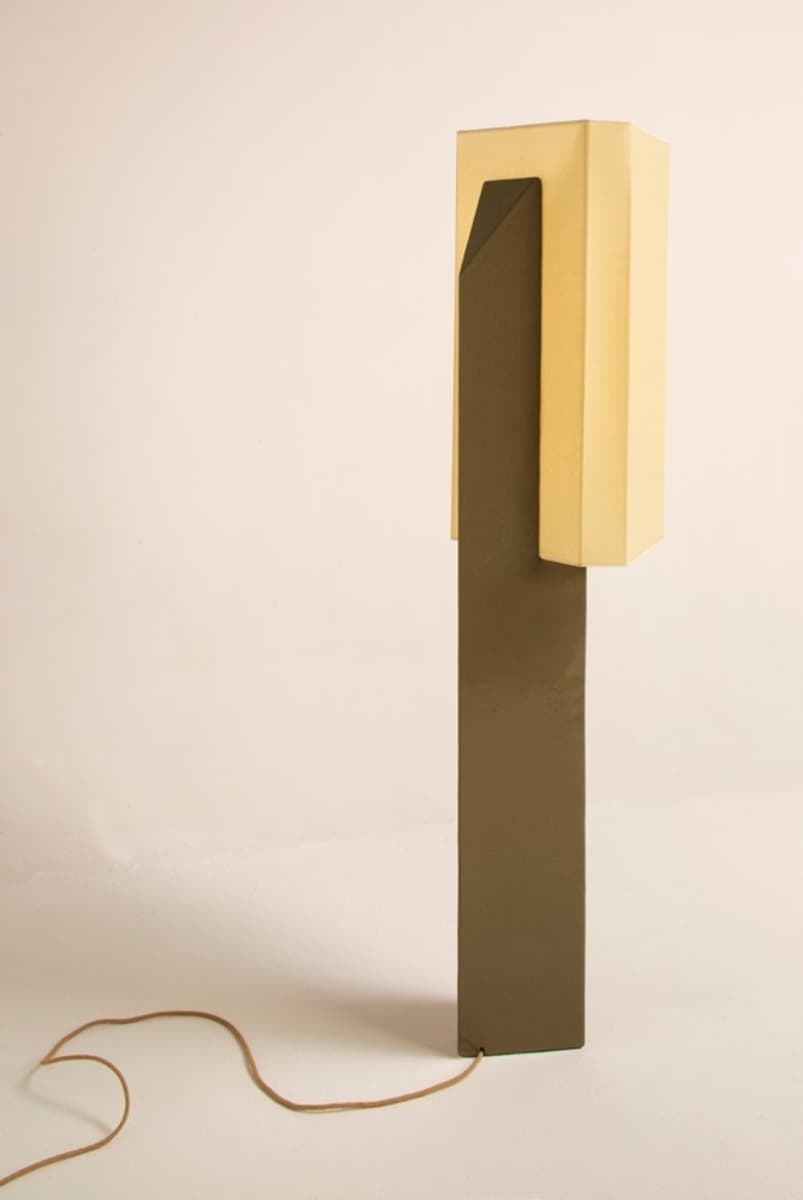
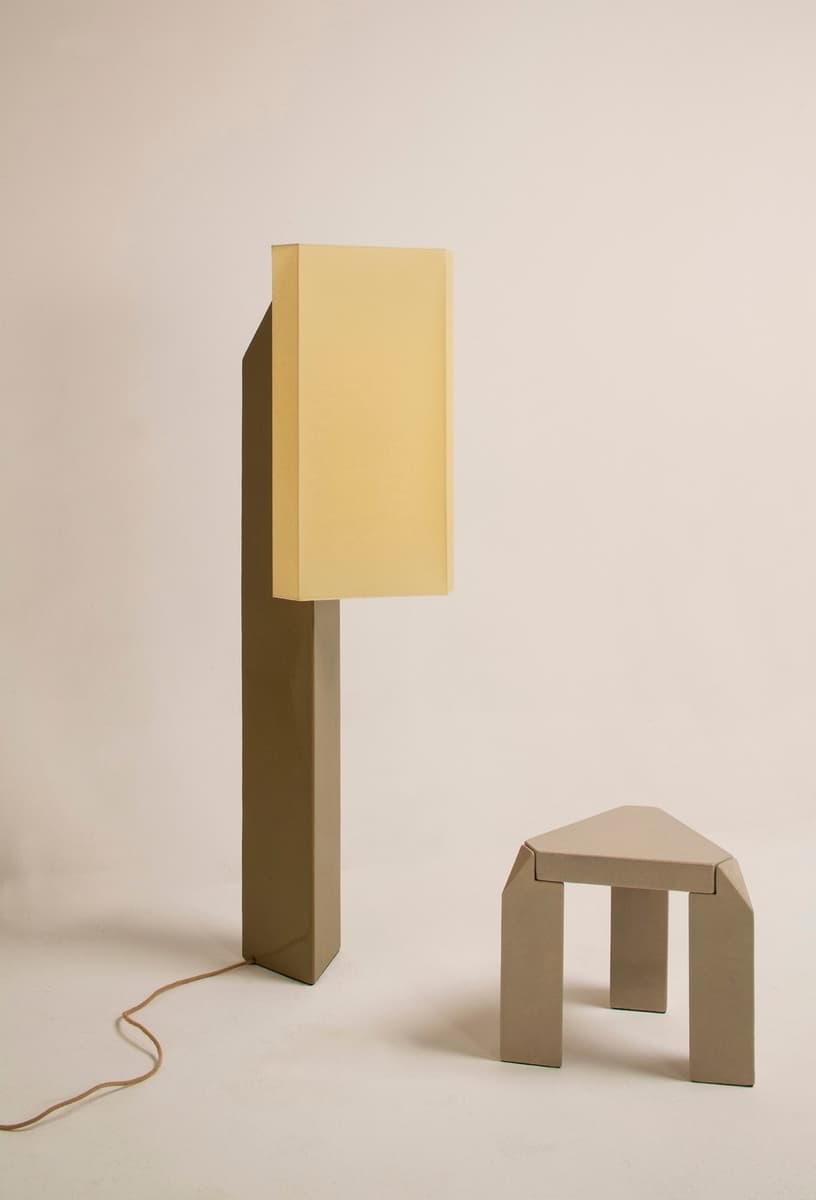
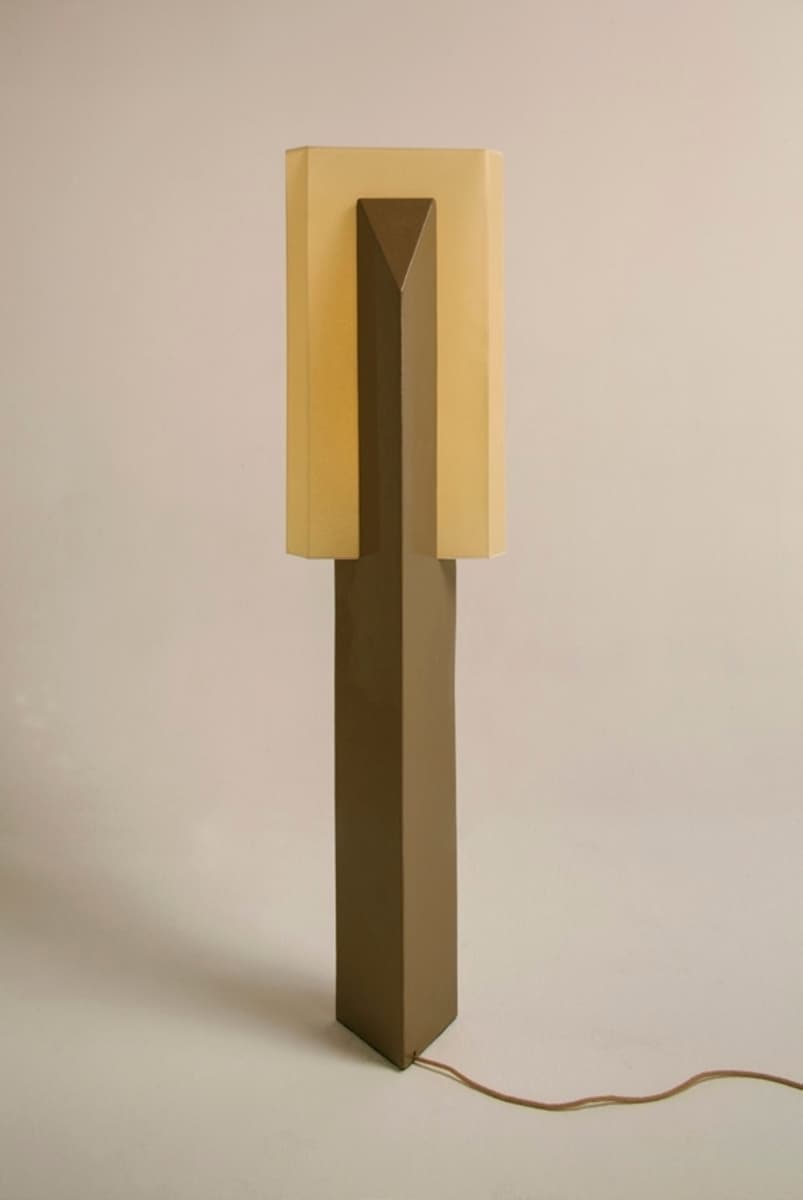
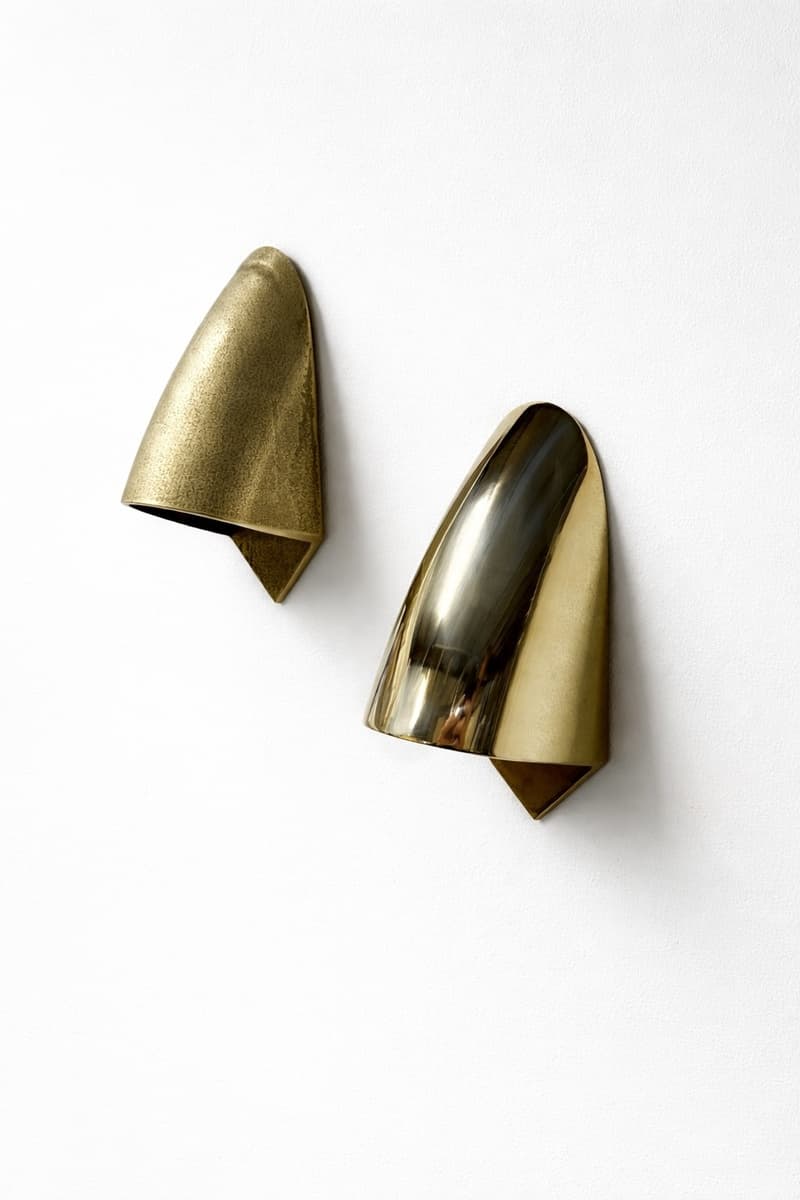
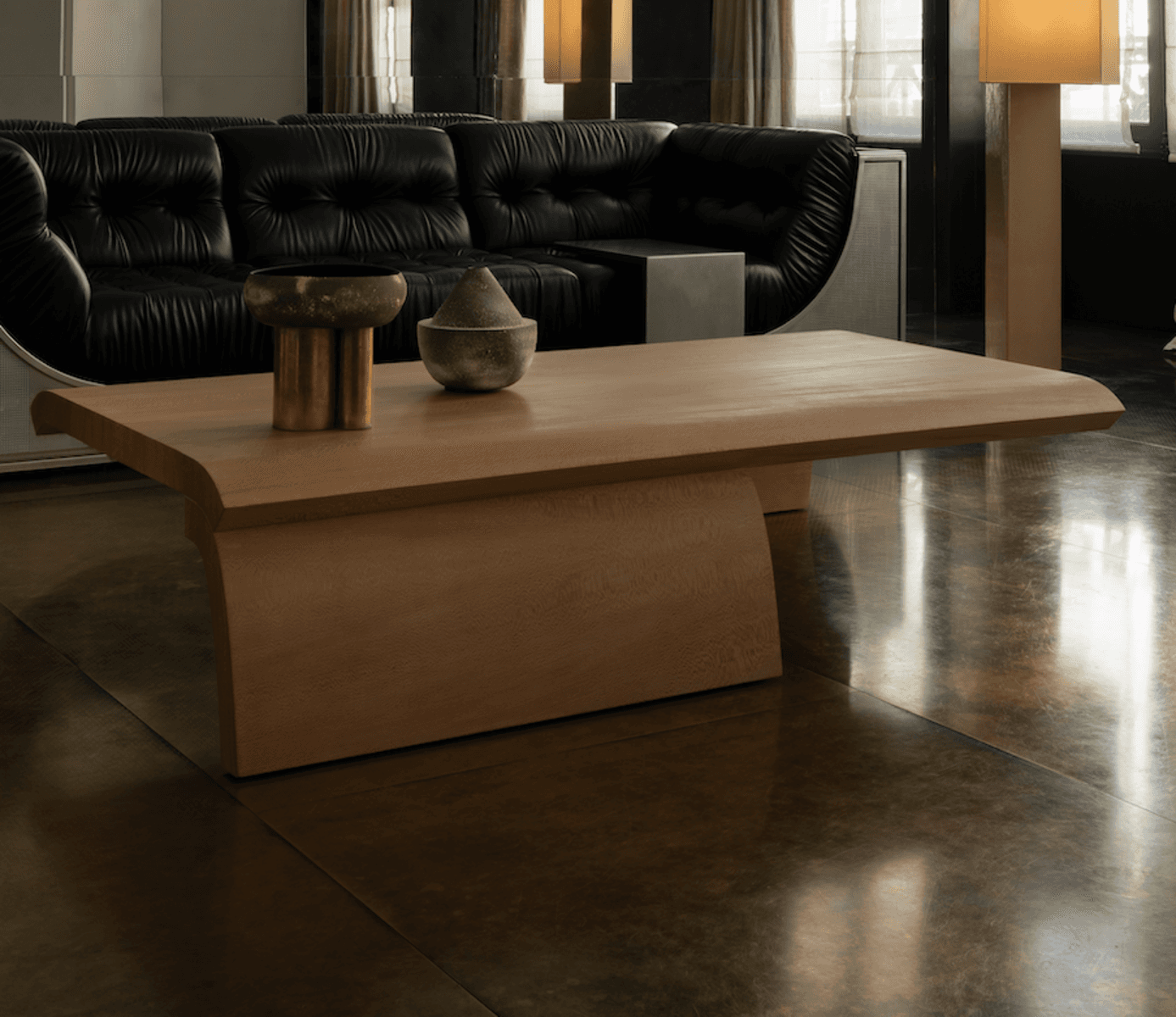
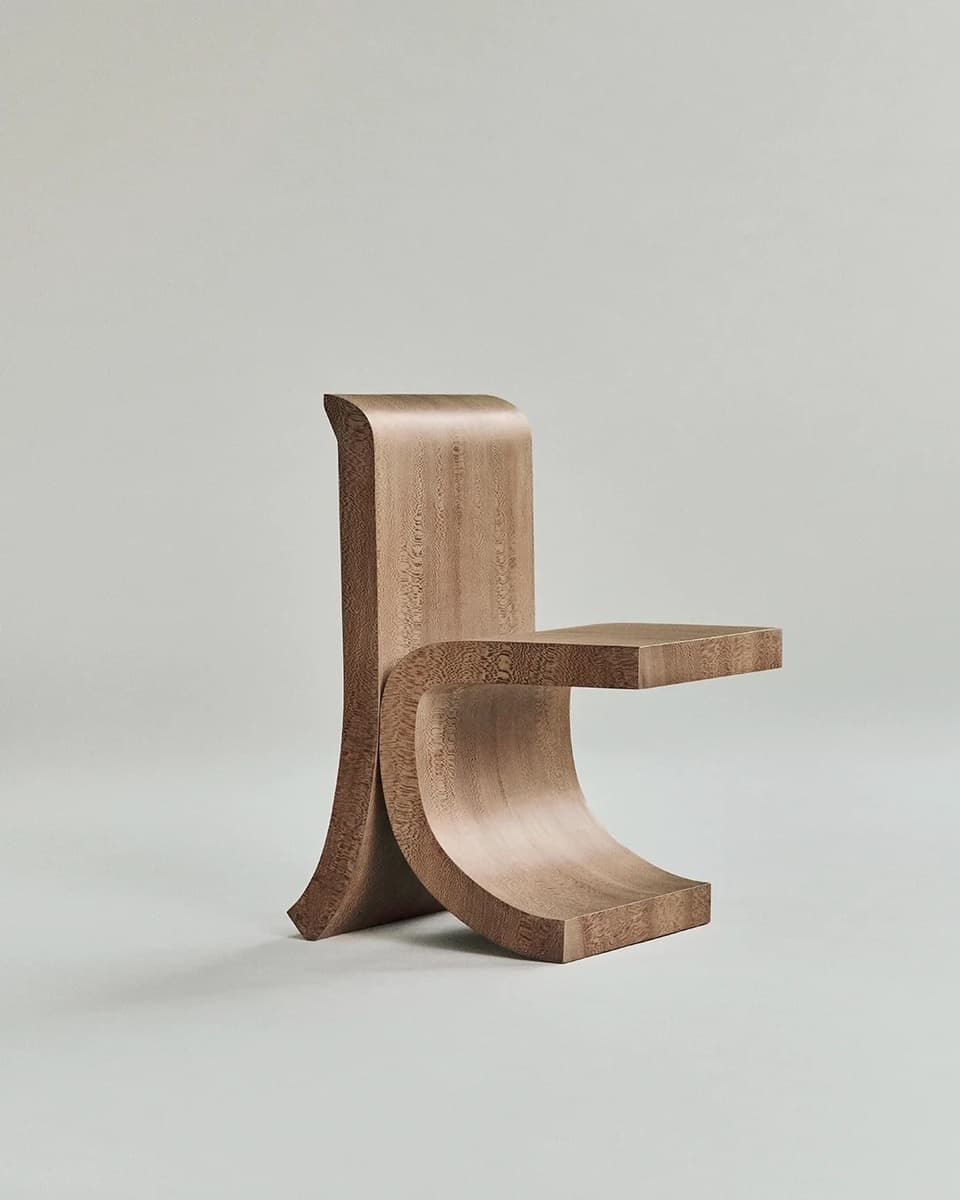
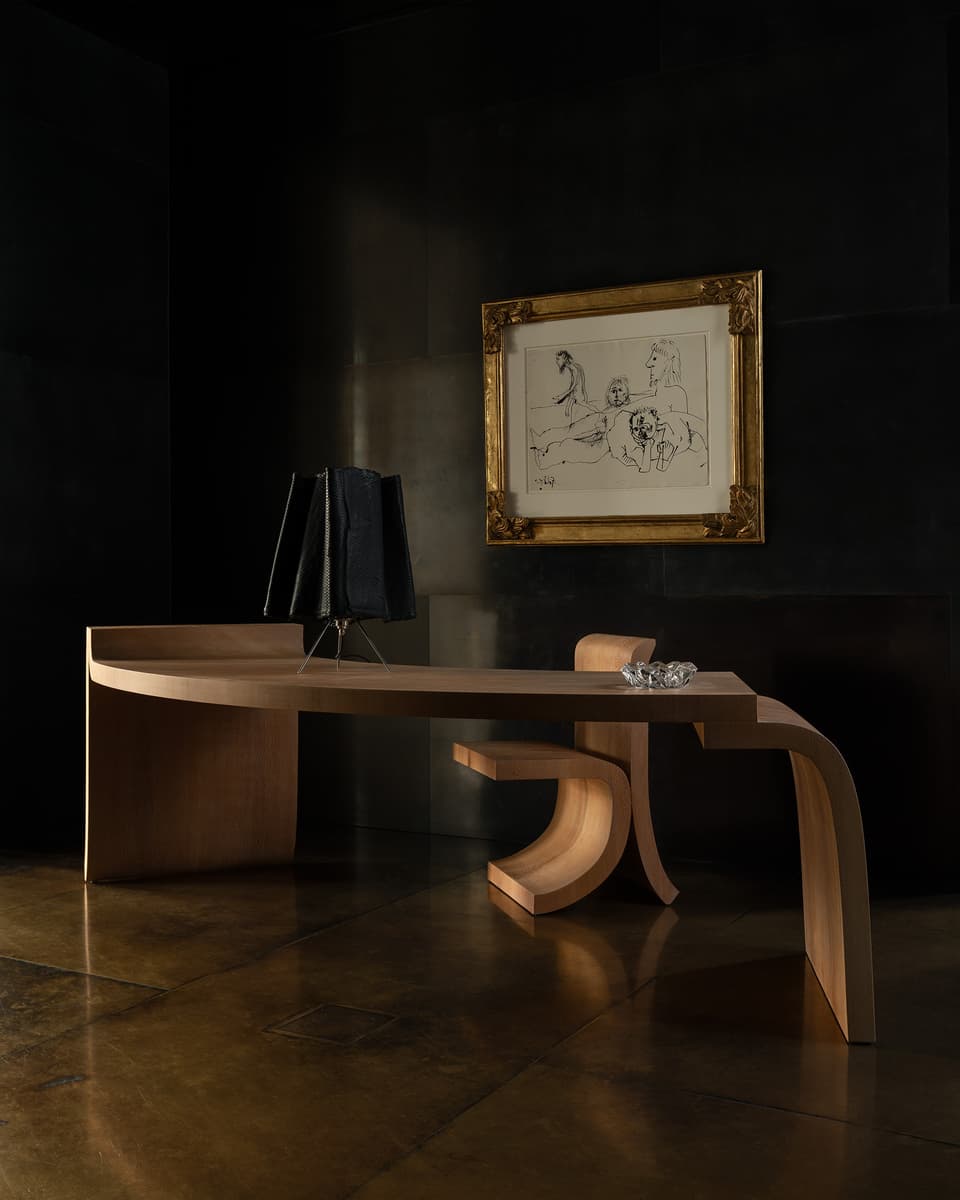
Designing across different scales and concerned by notions of construction, form, and modularity, their architectural background informs a sculptural and tectonic sensibility in their designs, focusing on emotional engagement though structural expression and materiality.
The central objective of their work is to express an ambiguity that transcends the layered complexity of contemporary life. For each design, a unifying principle or logic is developed that bridges aesthetics and function with an elevated and deeply nuanced simplicity. Through this principle, each piece becomes an exploration of reconciling opposites: past and present, textured and continuous, fragility and firmness, archaic and avant-garde, simplicity and complexity, organic and geometric, constancy and change.
Corpus Studio is an emerging Parisian design, interiors, and architecture studio lead by Konrad Steffensen and Ronan Le Grand. Their design work explores the past, present, and future through poetic contemporary pieces that are serene, considered, radical, elegant, and rigorous.
Konrad Steffensen is from Brisbane, Australia and studied architecture at Queensland University of Technology, Technische Universität Berlin, and Ecole Spéciale d’Architecture de Paris. Ronan Le Grand is from Versailles, France and studied architecture at Paris-Malaquais and Pontifícia Universidade Católica do Rio de Janeiro. Between them, they have lived and worked professionally in Australia, France, Germany, Brazil, and Japan. In 2018, after collaborating on installation artworks and set design projects, Steffensen and Le Grand formed Corpus Studio. In 2022, as an extension of their architectural and interiors practice, they started designing furniture that serves as an iterative medium in their transdisciplinary process.
Designing across different scales and concerned by notions of construction, form, and modularity, their architectural background informs a sculptural and tectonic sensibility in their designs, focusing on emotional engagement though structural expression and materiality.
The central objective of their work is to express an ambiguity that transcends the layered complexity of contemporary life. For each design, a unifying principle or logic is developed that bridges aesthetics and function with an elevated and deeply nuanced simplicity. Through this principle, each piece becomes an exploration of reconciling opposites: past and present, textured and continuous, fragility and firmness, archaic and avant-garde, simplicity and complexity, organic and geometric, constancy and change.